Korean Weather Vocabulary: Seasons & Useful Phrases
Beginner Korean · Daily Conversation
Korean Weather Vocabulary: Seasons & Useful Phrases
Talk about spring, summer, fall, winter, temperature, rain, snow, wind, humidity, forecasts, and changing conditions.
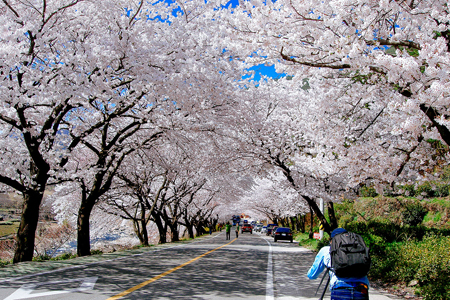
Quick Answer: Essential Korean Weather Phrases
- 오늘 날씨가 어때요? — How is the weather today?
- 날씨가 좋아요. — The weather is nice.
- 더워요. — It’s hot / I feel hot.
- 추워요. — It’s cold / I feel cold.
- 비가 와요. — It’s raining.
- 눈이 와요. — It’s snowing.
- 바람이 많이 불어요. — It’s very windy.
- 우산을 챙기세요. — Take an umbrella.
Related Korean Lessons
The Four Seasons in Korean
계절 (gyejeol) means “season,” and 사계절 (sagyejeol) means “the four seasons.” Korea has recognizable seasonal changes, but the timing and intensity of heat, cold, rain, snow, blossoms, and foliage vary by year and region.
| Season | Korean | Romanization | Useful Expression |
|---|---|---|---|
| Spring | 봄 | bom | 봄에는 날씨가 따뜻해져요. — It gets warmer in spring. |
| Summer | 여름 | yeoreum | 여름에는 덥고 습해요. — Summer is hot and humid. |
| Fall / Autumn | 가을 | gaeul | 가을에는 선선해요. — It is pleasantly cool in fall. |
| Winter | 겨울 | gyeoul | 겨울에는 추워요. — It is cold in winter. |
Syllable Practice: 계절
Meaning: season · Romanization: gye-jeol
gye · ㄱ+ㅖ
jeol · ㅈ+ㅓ+ㄹ
Core Korean Weather Words
오늘 날씨가 어때요? means “How is the weather today?”
날씨가 정말 좋네요! means “The weather is really nice!” with a noticing or shared-observation tone.
| Condition | Dictionary Form | Polite Form | Romanization |
|---|---|---|---|
| Weather is good | 날씨가 좋다 | 날씨가 좋아요 | nalssiga joayo |
| Clear | 맑다 | 맑아요 | malgayo |
| Cloudy | 흐리다 | 흐려요 | heuryeoyo |
| Humid | 습하다 | 습해요 | seuphaeyo |
| Dry | 건조하다 | 건조해요 | geonjohaeyo |
| Windy | 바람이 불다 | 바람이 불어요 | barami bureoyo |
Hot, Cold, Warm, and Cool in Korean
| Korean | Main Use | Example |
|---|---|---|
| 덥다 → 더워요 | Hot surroundings or feeling hot. | 오늘 너무 더워요. — It’s so hot today. |
| 뜨겁다 → 뜨거워요 | An object, surface, food, or liquid that is hot. | 커피가 뜨거워요. — The coffee is hot. |
| 춥다 → 추워요 | Cold surroundings or feeling cold. | 밖이 추워요. — It’s cold outside. |
| 차갑다 → 차가워요 | A cold object, surface, food, or drink. | 물이 차가워요. — The water is cold. |
| 따뜻하다 → 따뜻해요 | Warm weather, objects, food, or atmosphere. | 오늘은 따뜻해요. — It’s warm today. |
| 시원하다 → 시원해요 | Pleasantly cool or refreshing. | 바람이 시원해요. — The breeze is refreshing. |
Rain, Snow, and Wind Expressions
Korean uses 오다 (“to come”) for rain and snow: 비가 와요 and 눈이 와요. The same written word 눈 can mean “snow” or “eye”; pronunciation is similar, and context identifies the meaning.
| Weather | Korean | Meaning |
|---|---|---|
| Rain | 비가 와요. | It is raining. |
| Heavy rain | 비가 많이 와요. | It is raining a lot. |
| Snow | 눈이 와요. | It is snowing. |
| Rain stopped | 비가 그쳤어요. | The rain stopped. |
| Strong wind | 바람이 세게 불어요. | The wind is blowing strongly. |
| Rainy season | 장마 | A seasonal period associated with prolonged rain; dates vary. |
Korean Weather Forecast Vocabulary
- 일기예보 — weather forecast
- 기온 — air temperature
- 최고 기온 / 최저 기온 — high / low temperature
- 강수 확률 — probability of precipitation
- 미세먼지 — fine dust
- 폭염 — heat wave / extreme heat
- 한파 — cold wave
- 태풍 — typhoon
Useful Korean Weather Sentence Patterns
- 오늘 날씨가 어때요? — How is the weather today?
- 내일 비가 올까요? — Will it rain tomorrow?
- 비가 올 것 같아요. — It looks like it will rain.
- 어제보다 더 추워요. — It is colder than yesterday.
- 봄에는 날씨가 따뜻해져요. — The weather gets warmer in spring.
- 우산을 가져가는 게 좋아요. — It is a good idea to take an umbrella.
따뜻하다 → 따뜻해지다 (to become warm)
추워요 → 추워졌어요 (it became cold / has gotten cold)
Real-Life Weather Dialogues
Dialogue 1: Daily Small Talk
Minji: 오늘 날씨가 정말 좋네요!
The weather is really nice today!
Sora: 맞아요. 어제보다 따뜻해요.
Right. It is warmer than yesterday.
Minji: 산책하기 좋겠어요.
It would be nice to take a walk.
Dialogue 2: Preparing for Rain
Jihoon: 밖에 비가 와요?
Is it raining outside?
Yuna: 네, 비가 많이 와요. 바람도 세게 불어요.
Yes, it is raining a lot. The wind is strong too.
Jihoon: 그럼 우산을 챙길게요.
Then I’ll take an umbrella.
Korean Weather Practice
Select each question to reveal the answer.
1. What are the four seasons in Korean?
Answer: 봄, 여름, 가을, 겨울.
2. How do you say “It is raining”?
Answer: 비가 와요.
3. Which word describes hot weather or feeling hot?
Answer: 덥다; the polite form is 더워요.
4. Which word describes hot coffee?
Answer: 뜨겁다; 커피가 뜨거워요.
5. How do you ask “Will it rain tomorrow?”
Answer: 내일 비가 올까요?
Frequently Asked Questions
What is the difference between 덥다 and 뜨겁다?
덥다 describes hot surroundings or a person feeling hot. 뜨겁다 describes something hot to the touch or taste, such as coffee, soup, or a surface.
What is the difference between 춥다 and 차갑다?
춥다 describes cold surroundings or feeling cold. 차갑다 describes a cold object, surface, food, or drink.
What does 장마 mean?
장마 refers to a seasonal period of prolonged rain. Its start, end, intensity, and regional effects vary, so check current forecasts.
How do you say umbrella in Korean?
Umbrella is 우산. “Take an umbrella” is 우산을 챙기세요 or 우산을 가져가세요.
How do you talk about cherry blossom season?
Cherry blossoms are 벚꽃. 벚꽃이 피었어요 means “The cherry blossoms have bloomed,” and 벚꽃 구경 means viewing cherry blossoms.
Key Takeaway
Start with 날씨가 어때요?, learn the four seasons, separate ambient-temperature words from object-temperature words, and use a current forecast for real plans.
